 ScanSpe
Next time you shop, you might want to think twice about taking home a paper receipt. Recently, the nonprofit Center for Environmental Health sent violation notices to 119 companies after finding high levels of bisphenol S (BPS) in receipts printed at their stores and restaurants.
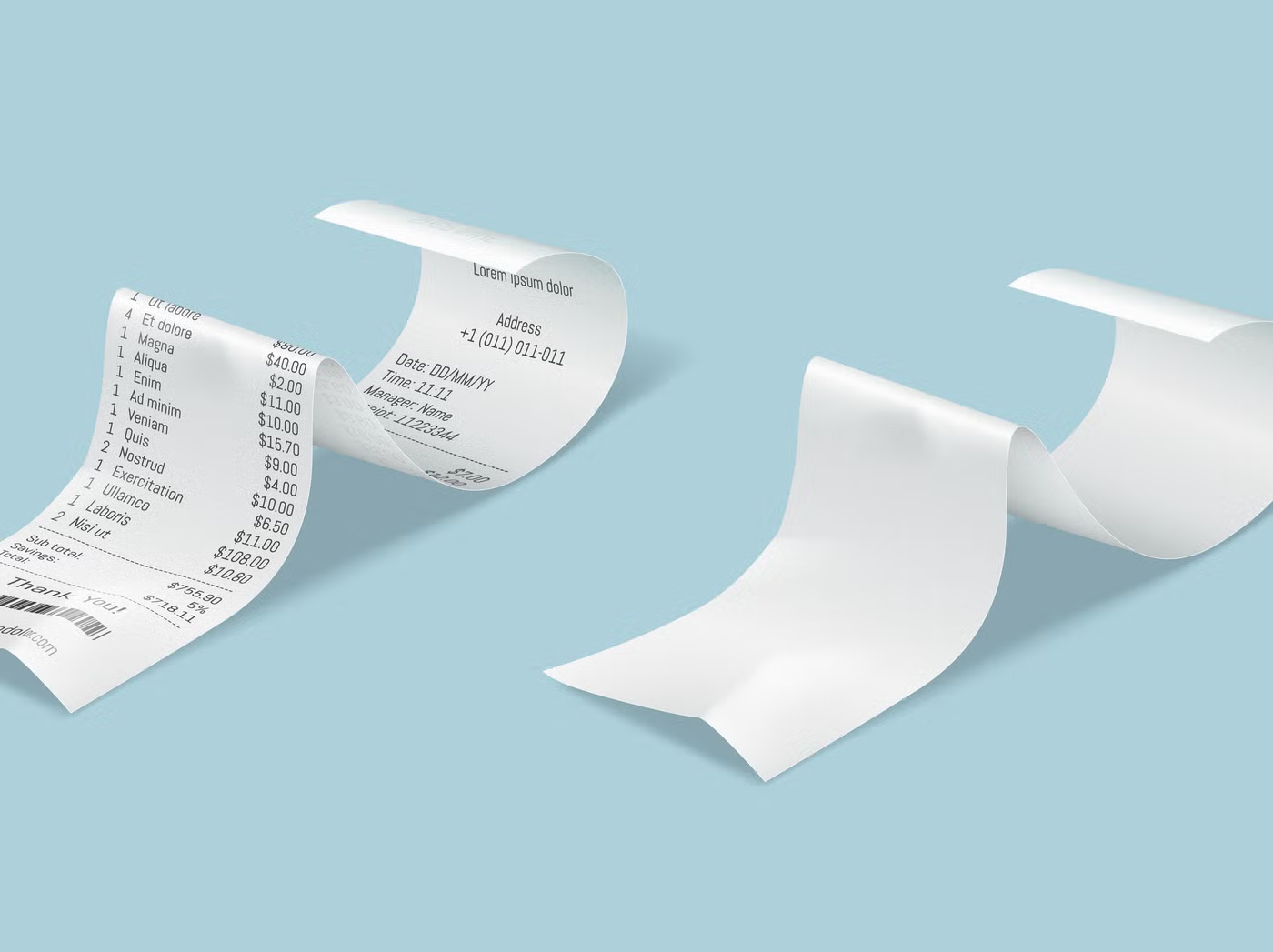
The "BPA-Free" Illusion
About 15 years ago, researchers realized many receipts contained Bisphenol A (BPA), a known endocrine disruptor. As some regions banned BPA in receipts, manufacturers introduced "BPA-free" options. However, this often meant swapping BPA for BPS, a chemical "cousin" with a similar structure and similar potential toxicity. In a 2023 study published in the journal Environmental Pollution, researchers found BPS in 85% of receipts tested from national and local retailers.
Why Are These Chemicals in Receipts?
Store receipts aren't printed with standard ink. They use thermal printing, where a printer head applies heat to special heat-sensitive paper. This paper is coated with a developer chemical—often BPS—that reacts with heat to darken and form text. This chemical can make up about 1% of the receipt's weight.
Crucially, the thin BPS layer is made of tiny molecules that aren't chemically bound to the paper. While it takes heat or wear to release bisphenols from hard plastics, simply touching a receipt is enough to transfer these substances to your skin.
The Health Impact of Endocrine Disruptors
Bisphenols are endocrine disruptors. When they enter the human body, they can essentially hijack the endocrine system, sending garbled signals to organs and potentially aggravating underlying diseases. While touching a single receipt won't immediately throw off your hormones, repeated exposure adds up.
People who spend a lot of time handling receipts—such as retail cashiers and restaurant servers—face the highest risk. This is especially concerning for pregnant workers, as infants in the womb are highly sensitive to endocrine-disrupting chemicals.
The Safest Way to Handle Receipts: Go Digital
Medical experts agree that the safest way to handle receipts is to opt for digital versions whenever possible. By switching to digital receipts with ScanSpe, merchants protect both their staff and their customers. A simple QR scan delivers the receipt directly to the customer's device—eliminating chemical exposure, reducing waste, and modernizing the checkout experience.
Ready for a healthier checkout?
Join the revolution of merchants and shoppers switching to ScanSpe.
Get Started Today